
MET
AI
Papyrus inscribed with six "Osiris Liturgies"
A long strip of papyrus densely covered with black ink hieroglyphic text in horizontal lines, shown...
Most catalogues stop at one institution's holdings. This one stitches them together: a papyrus's edited text, the scholarly record of its date and findspot, and the collection's record of the physical papyrus, joined by a shared Trismegistos number. 217,442 records from 20 museums, excavation archives, and text corpora, of which 25,665 are photographed and 79,409 carry inscribed text. Every record is traceable to its source, and AI-assisted readings are marked as such.
A long strip of papyrus densely covered with black ink hieroglyphic text in horizontal lines, shown...
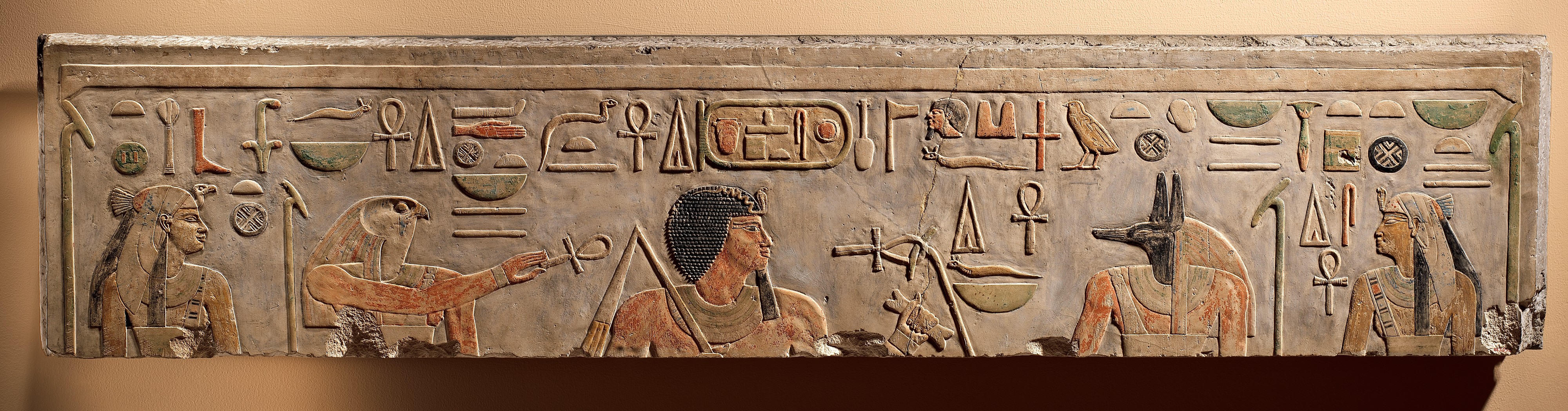
A painted limestone lintel panel showing a central standing/enthroned male figure identified by...
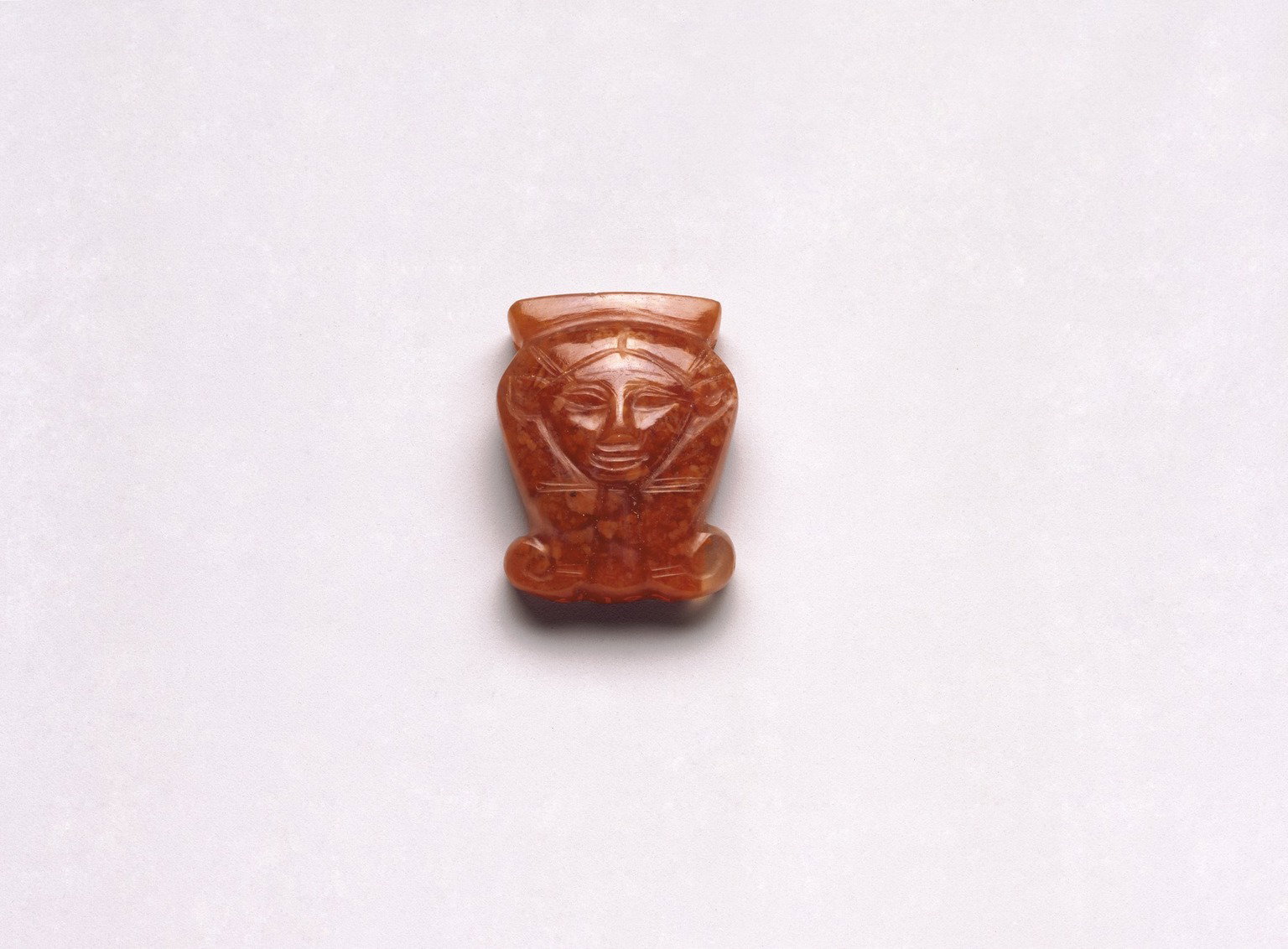
A small carved stone depicting a face with a headdress.
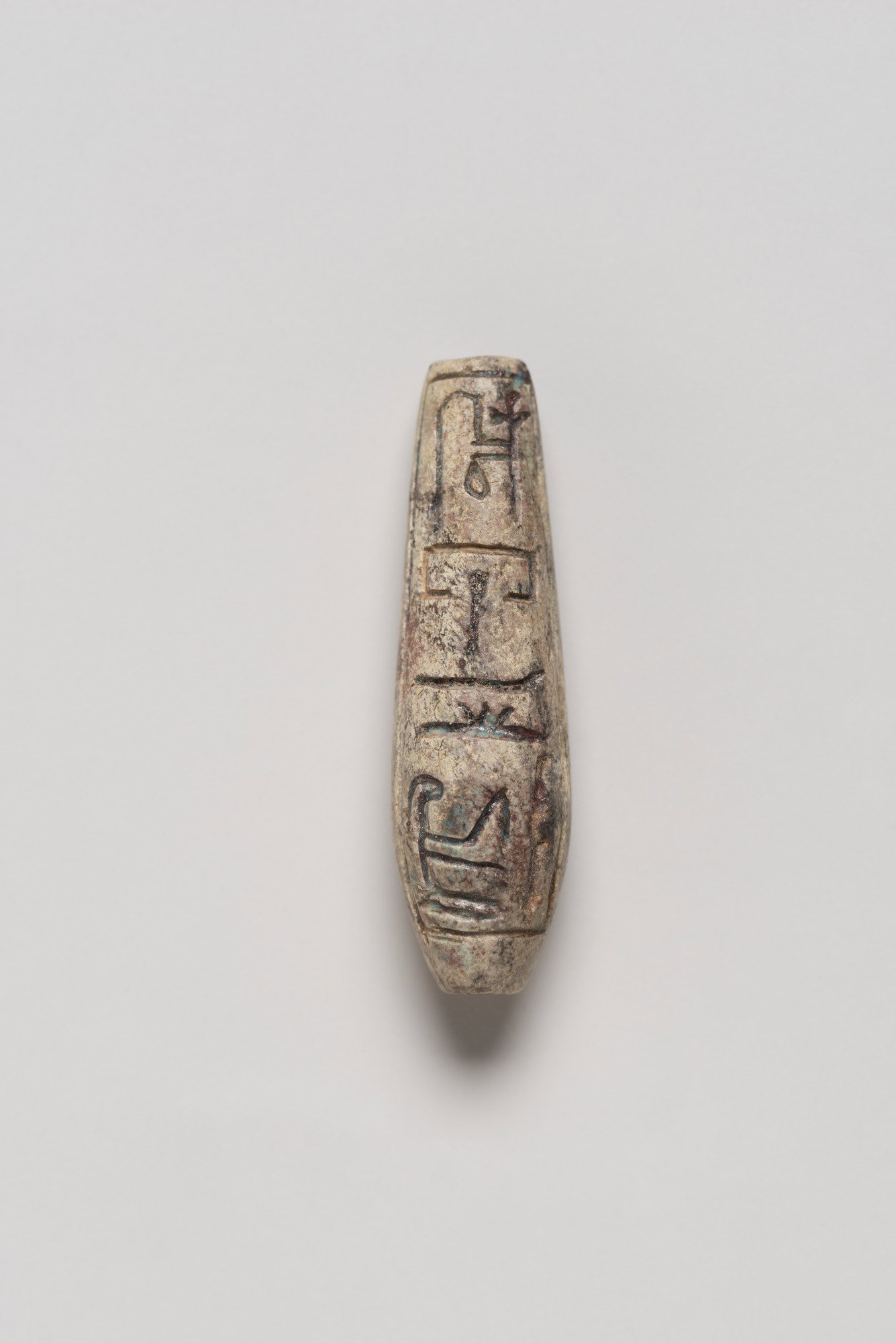
A ceramic object with an inscription including hieroglyphs.
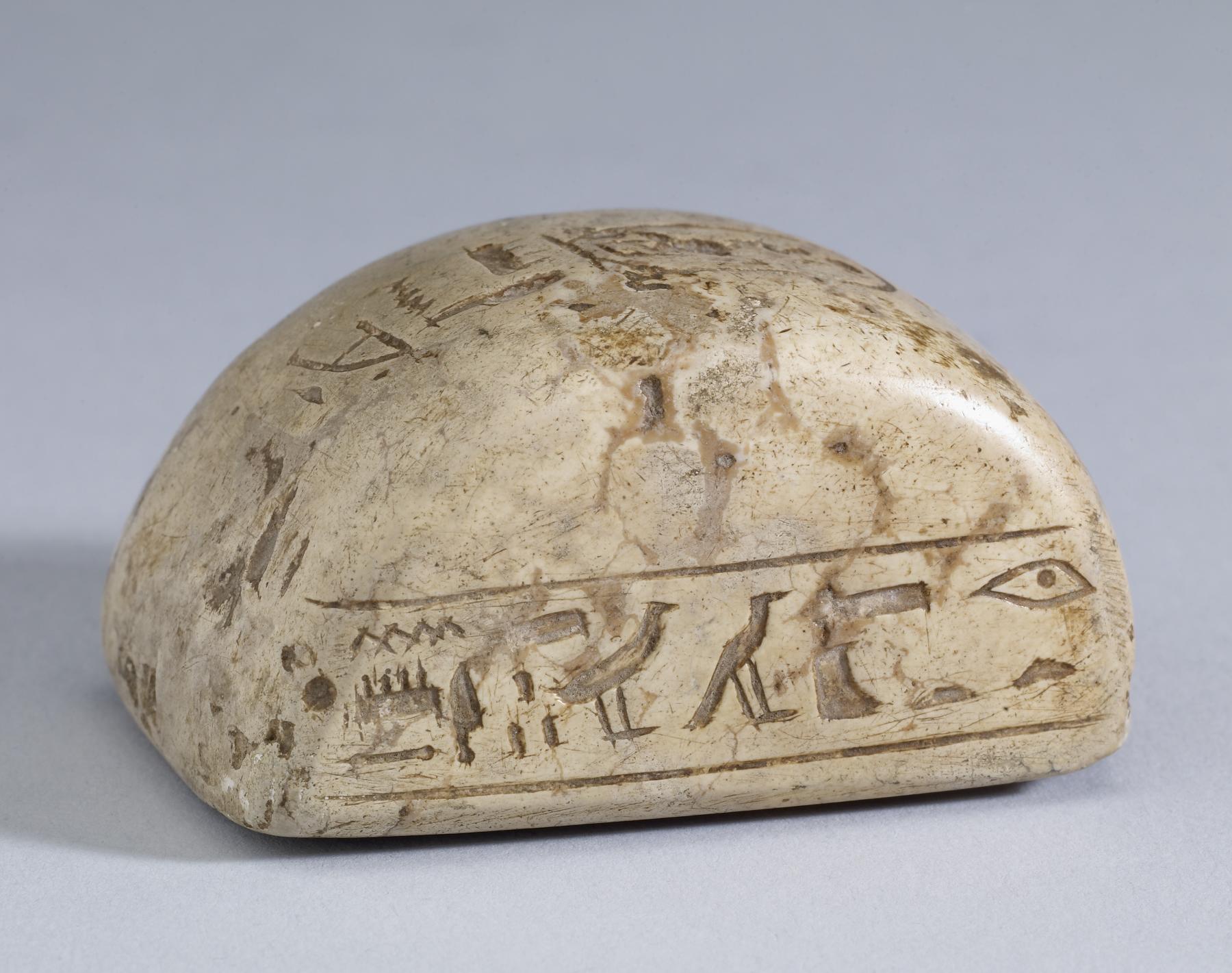
A rounded limestone block (foundation-stone shaped) incised with a band of hieroglyphic-style inscriptions...
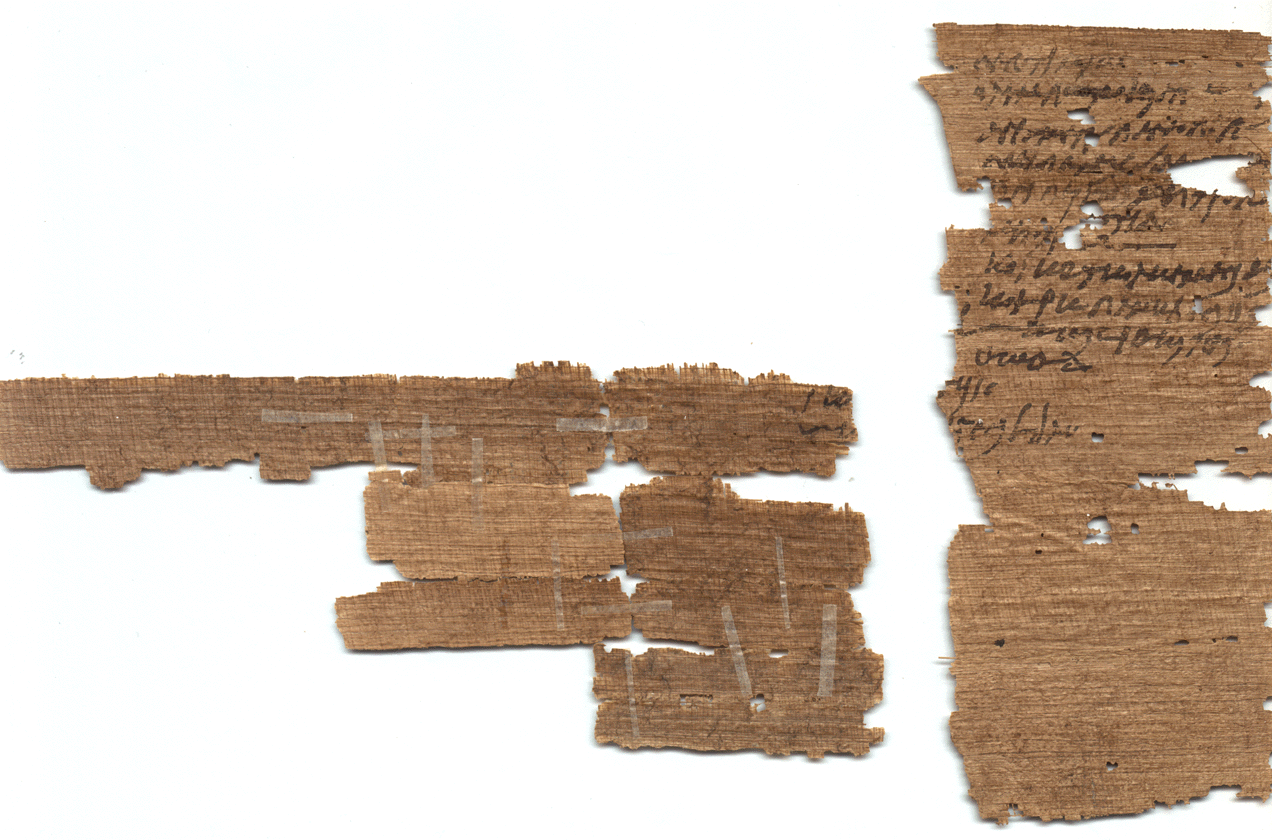
Papyrology splits a text's description across projects by design: the edition lives in one database, its date and findspot in another, the physical papyrus in a third. A shared Trismegistos number puts them back together, and the joined record is what fills in dates and findspots the individual records never carried.
Transliteration, English translation, and TLA dictionary links
Karnak, Luxor, Deir el-Bahri, Medinet Habu, the Valley of the Kings
The short-lived capital, from the EES grid to museum collections
Osiris, Anubis, coffins, shabtis, and the Book of the Dead
Offering formulae, royal decrees, and private memorials
Mastabas, pyramid texts, and objects from the plateau
Trismegistos-Text IDs linking DDbDP, HGV and APIS
Papyri linked across DDbDP, HGV, and APIS by Trismegistos ID
Berlin, Cleveland, the Walters, and the Freer
Artifacts read by vision AI: deities, royal cartouches, signs, materials, visible text
The corpus is also navigable by concept. Each name gathers objects across every source.
Spotted an error, a mis-mapped findspot, or have a suggestion? We read every note.